

By Barbara Patterson, NFU Director of Government Relations, and Roger Noonan, New England Farmers Union President A few weeks ago, we shared the Food Safety Modernization Act (FSMA) Needs Assessment Survey here on the Beginning Farmer Forum (BFF). This week, BFF will cover another FSMA-related topic: what is excluded or exempt from the Produce Safety … Read More
Blog
FSMA Exclusions

By Barbara Patterson, NFU Director of Government Relations, and Roger Noonan, New England Farmers Union President A few weeks ago, we shared the Food Safety Modernization Act (FSMA) Needs Assessment Survey. This week, we will cover another FSMA-related topic: what is excluded or exempt from the Produce Safety Rule, which sets regulatory standards for the … Read More
Access to Capital: FSA Loan Servicing
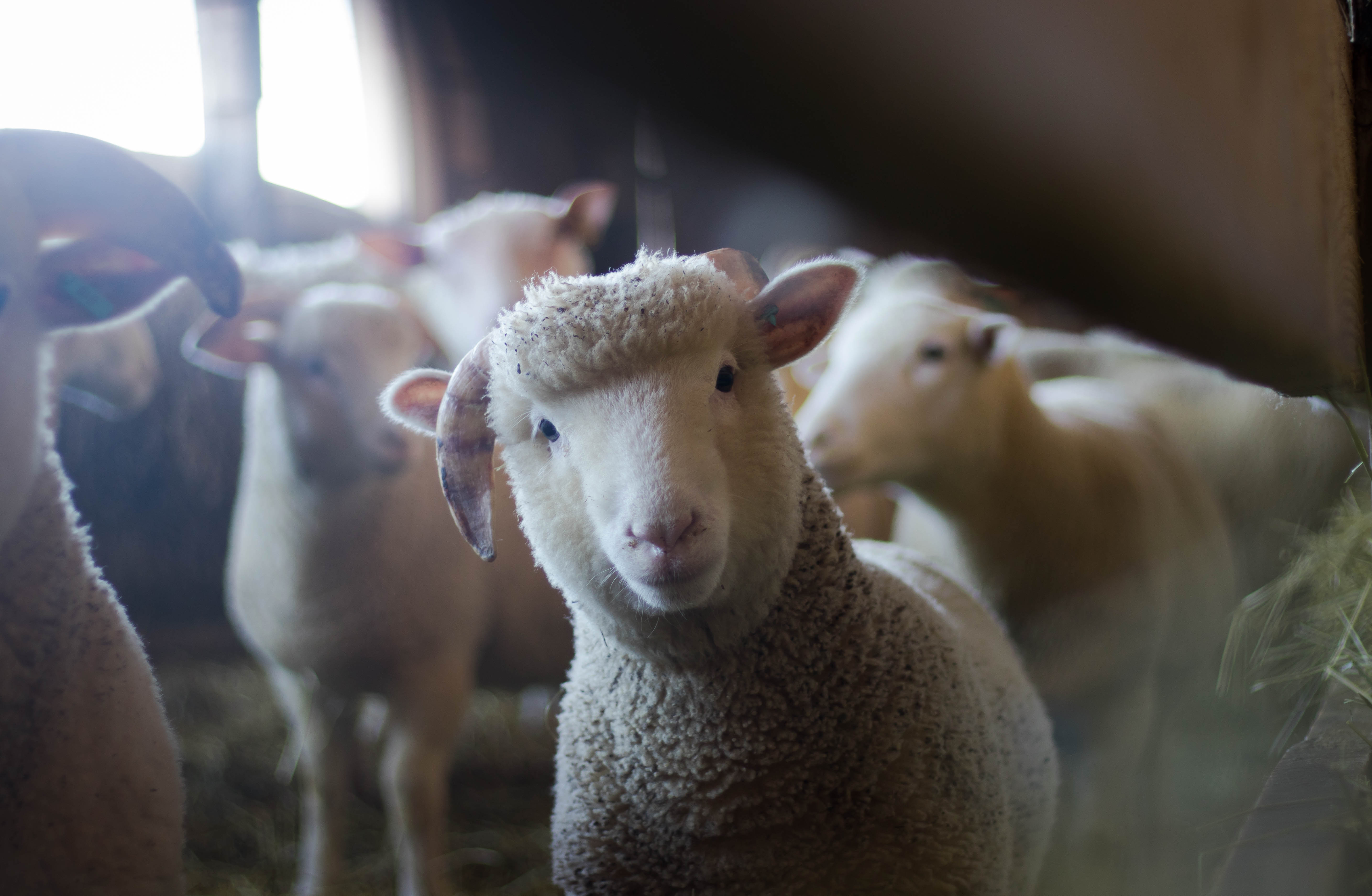
By Tom Driscoll, Director of NFU Foundation and Conservation Policy In Fiscal Year 2016, the Farm Service Agency (FSA) issued 29,602 direct loans to farmers and ranchers totaling $2.39 billion. Of those, almost 17,800 were allocated to beginning producers. The proportion of loans to beginning producers is high because in many cases, FSA is the … Read More
What Do Farmers Need to Know About Climate Change? Managing Pest Pressures
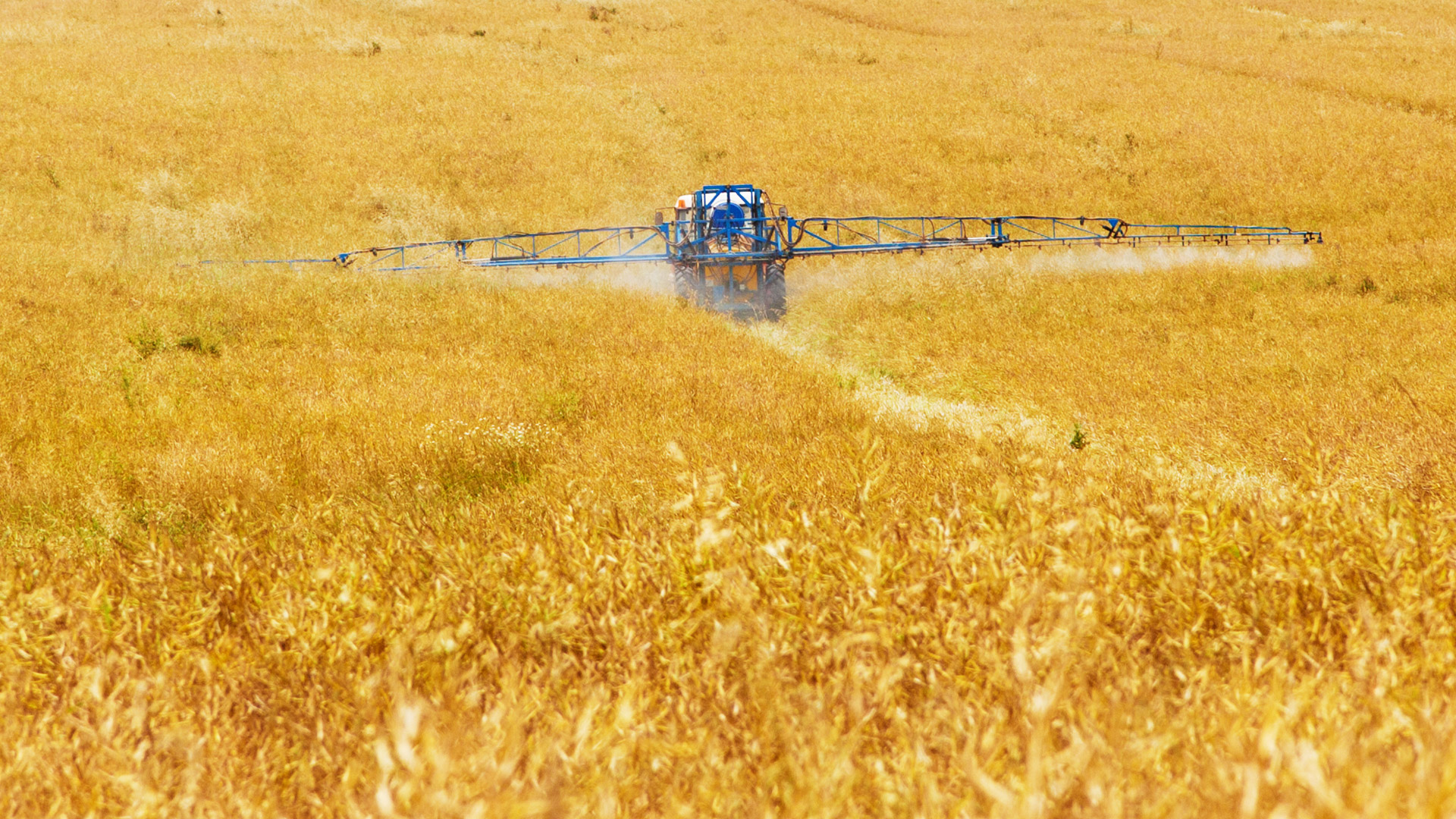
By Adam Pauley, NFU Intern For the past several weeks on the Climate Column, we’ve noted that climate change is contributing to rising pest pressures. Frost-sensitive pests are living longer, and rising temperatures are opening new areas to infestation. Farmers are responding to this growing problem by adjusting their pest management strategies. However, some common ways … Read More
Access to Capital: FSA Loans
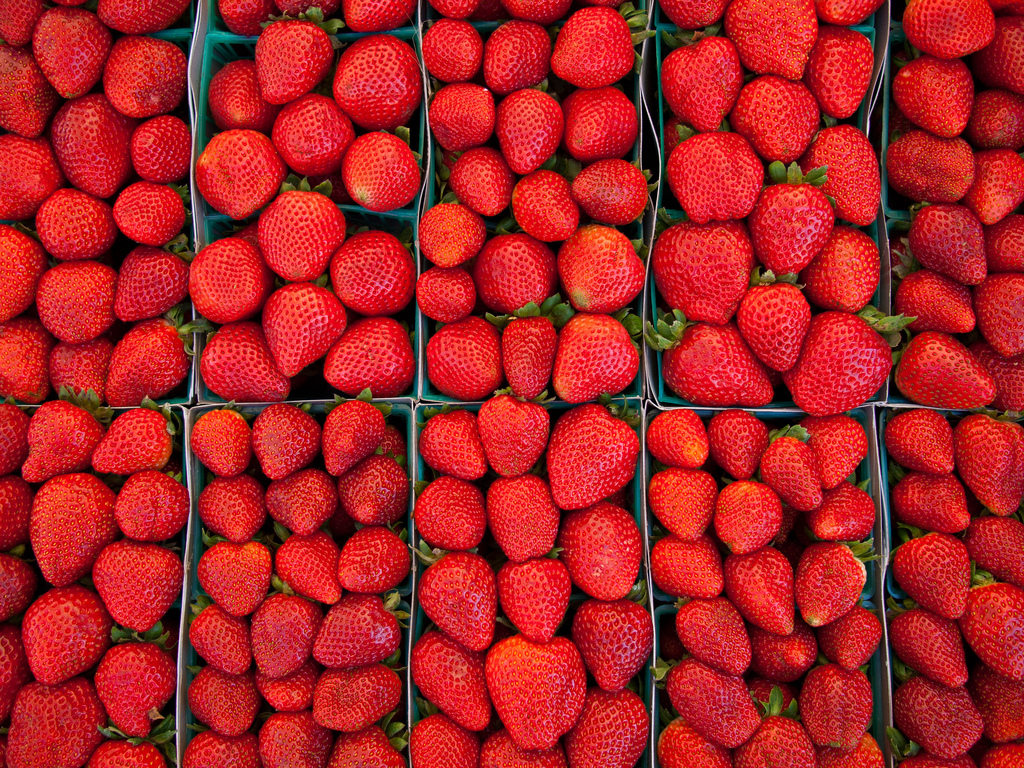
By Steven Emmen, NFU Intern As noted in prior Beginning Farmer Forum posts, beginning farmers often times have smaller operations, which means less land and capital. Consequently, they may require hefty loans to get their operations off the ground, but acquiring that amount of money is challenging since they also have shorter production histories and … Read More
What Do Farmers Need to Know About Climate Change? Agriculture and Food Research Initiative
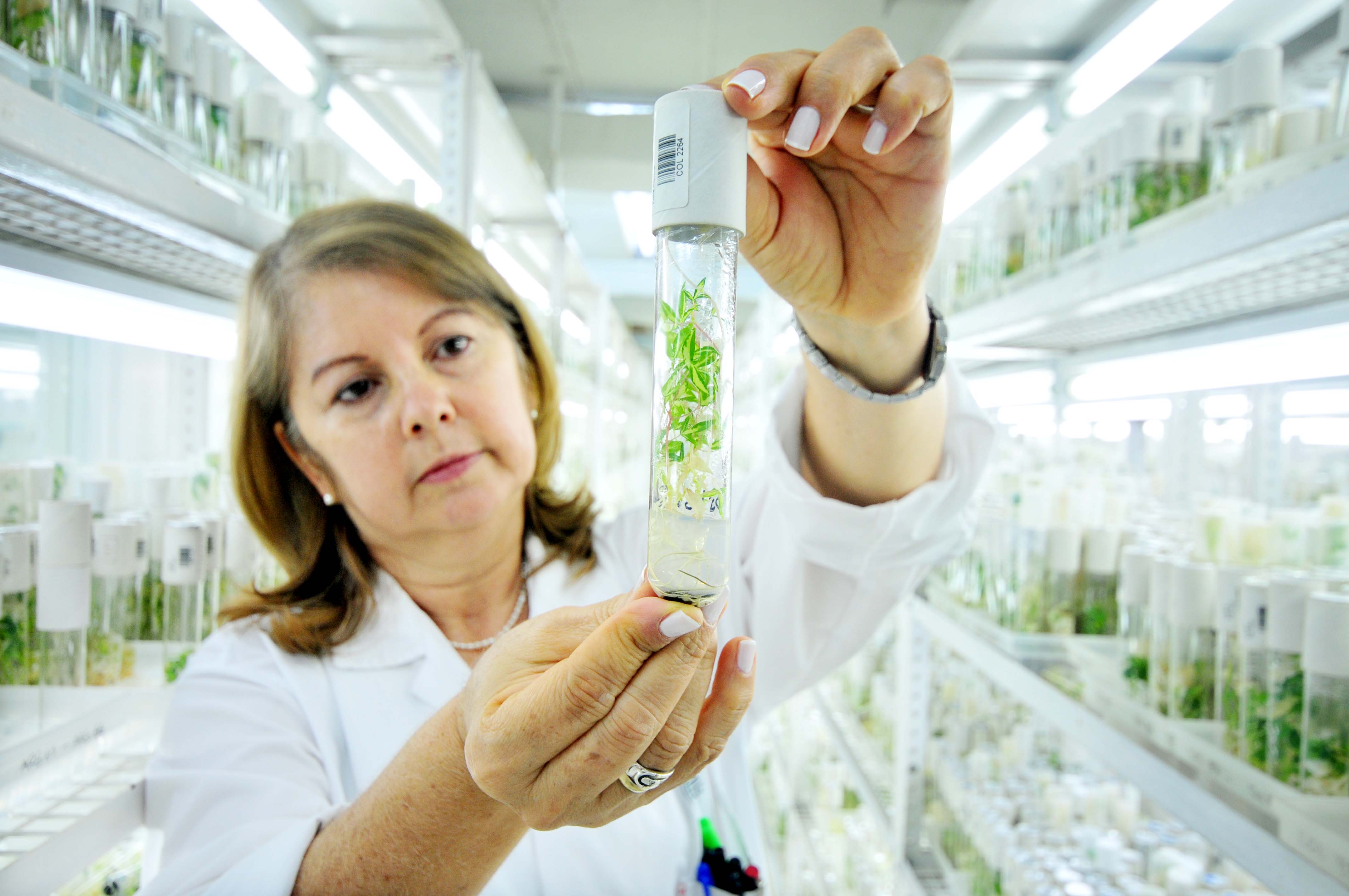
By Tom Driscoll, Director of NFU Foundation and Conservation Policy Climate change presents an enormous threat to farming and food security. A 2015 assessment report conducted by the U.S. Global Change Research Program noted that some models project the number of people at risk of undernourishment could grow by as many as 175 million by … Read More
Access To Markets: Food Safety Education
By Barbara Patterson, NFU Director of Government Relations Congress passed the Food Safety Modernization Act (FSMA) in 2010. It will require many producers to comply with new regulations if they grow food for human or animal consumption. The regulations are intended to protect consumers from food-borne illness. Many producers who will be regulated by FSMA … Read More
Access to Efficiency: Small Business Innovation Research Program
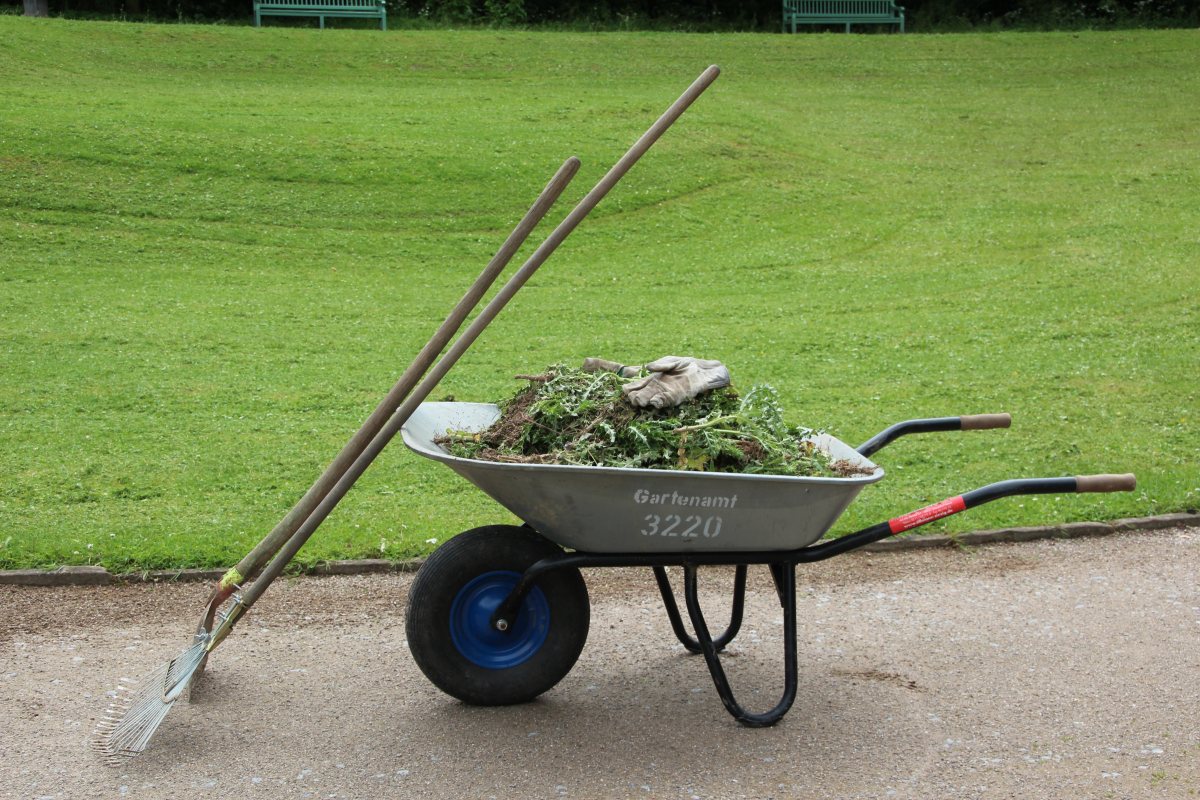
By Tom Driscoll, Director of NFU Foundation and Conservation Policy The U.S. Department of Agriculture’s Economic Research Service (ERS) found that the percentage of U.S. farms operated by women farmers almost tripled over the past three decades, from five percent in 1978 up to fourteen percent in 2007. This is encouraging news, given the impending transition … Read More
What Can Farmers Do About Climate Change? Integrated Pest Management
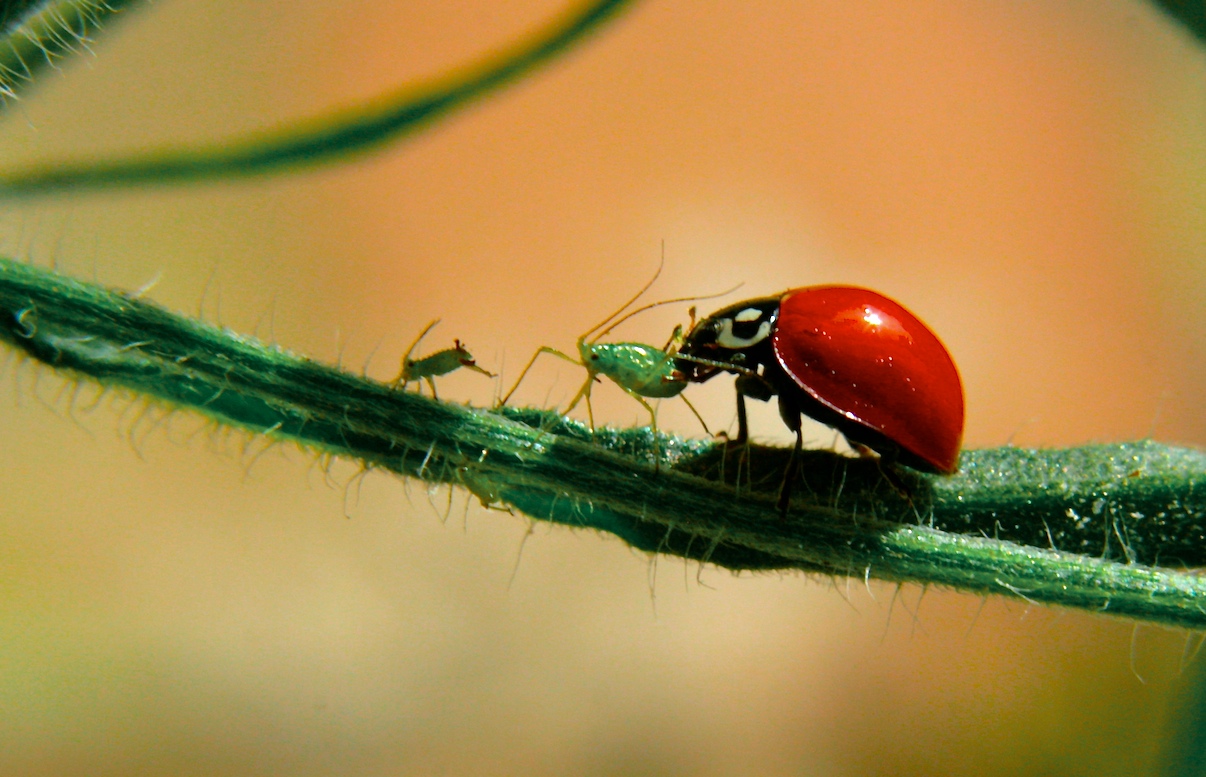
By Adam Pauley, NFU Intern Here on the Climate Column, we’ve been talking about how milder winters due to climate change are contributing to greater pest pressures. Farmers are turning new agricultural methods to mitigate pests without exacerbating other environmental concerns. We’ve discussed a few methods already, including intercropping and crop rotation. Another option is integrated … Read More
What Can Farmers Do About Climate Change? Intercropping & Pest Management
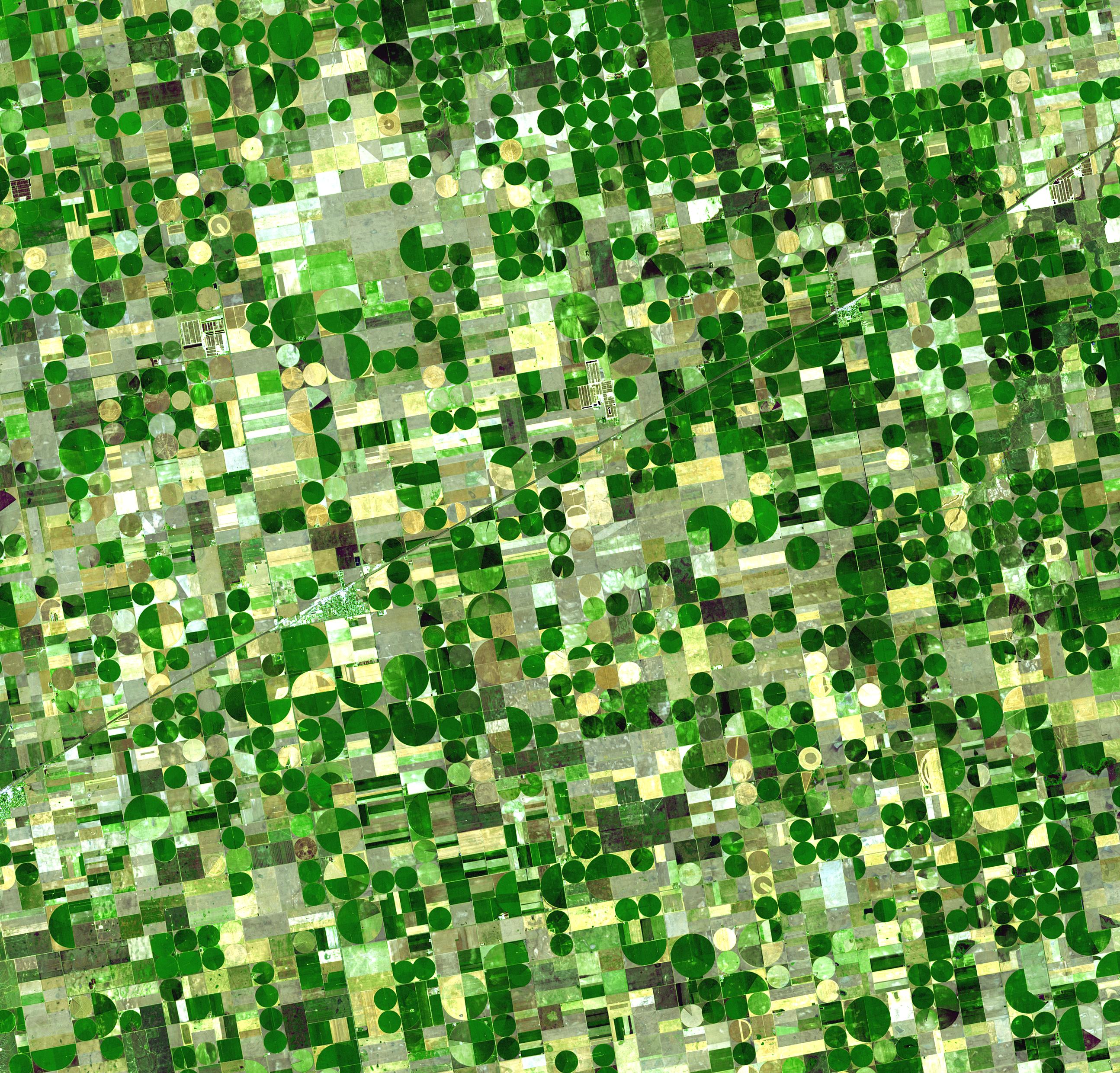
By Adam Pauley, NFU Intern Last week on the Climate Column, we noted that milder winters caused by climate change are lengthening the lives of frost-sensitive pests, increasing pest pressure on farms. Farmers are implementing new practices to compete with more aggressive pests, but many of the common means of doing so can exacerbate other … Read More